
Our History & Legacy
A Century of Aviation in Niagara
Approaching its 100-year milestone, Niagara District Airport has played a consistent and evolving role in Niagara’s aviation landscape.
From its early beginnings to its contributions during the Second World War and its steady role in civil aviation since, Niagara District Airport's legacy is defined by service, adaptability, and long-standing ties to the community.
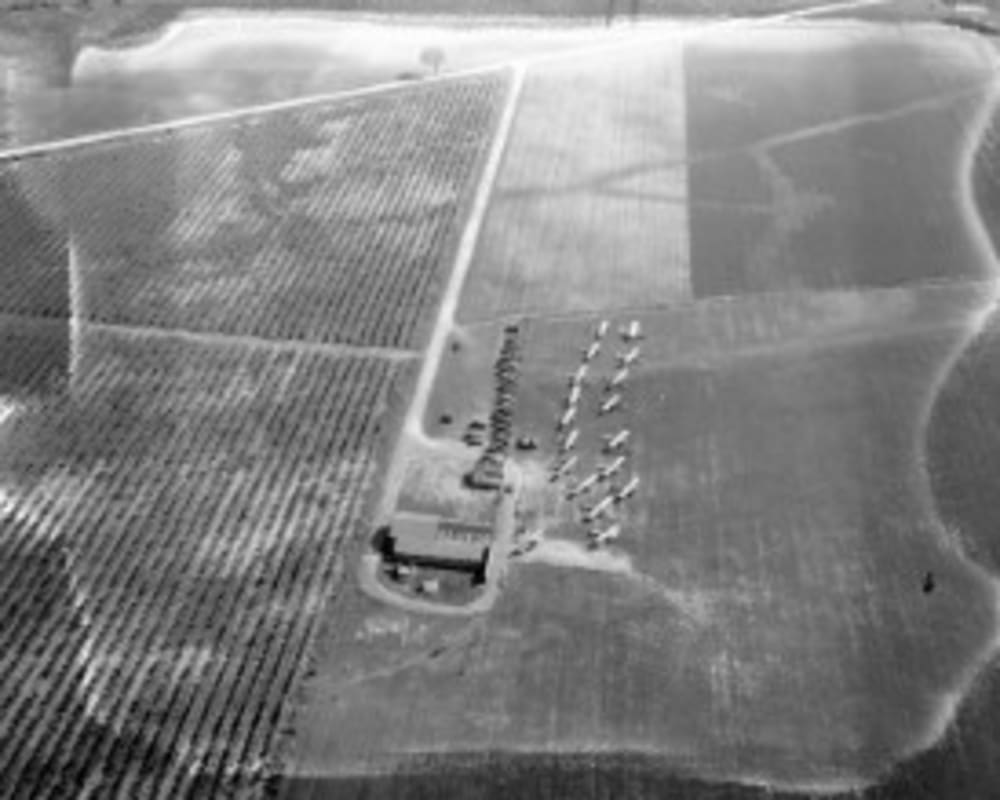
Image Credit: An aerial view of Niagara District Airport in 1938, provided by the St. Catharines Museum.
The History of Niagara District Airport
-
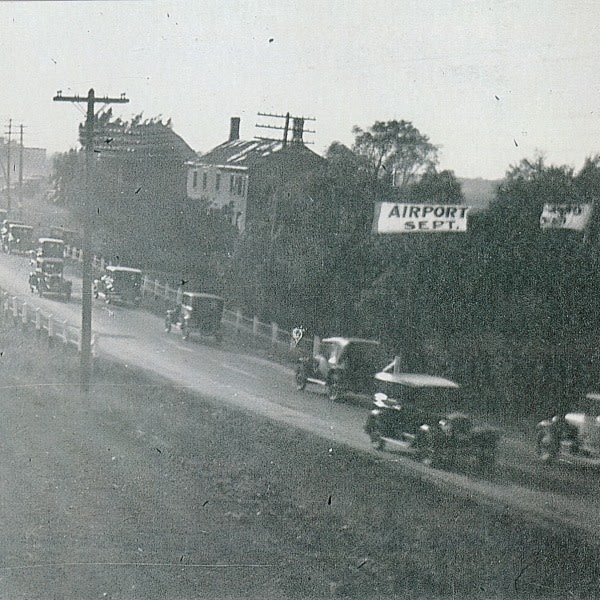
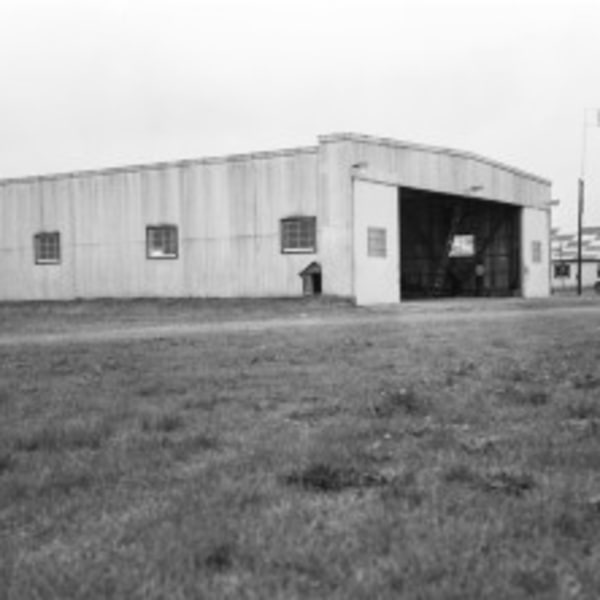
Niagara District Airport originally opens on the eastern edge of St. Catharines, adjacent to the Welland Canal.
-
Niagara District Airport relocates three miles northeast to its current location, creating room for growth and long-term operations.
-
–
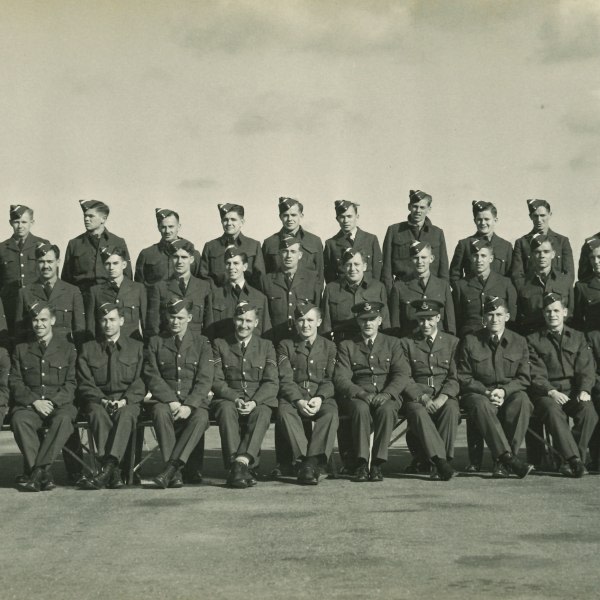
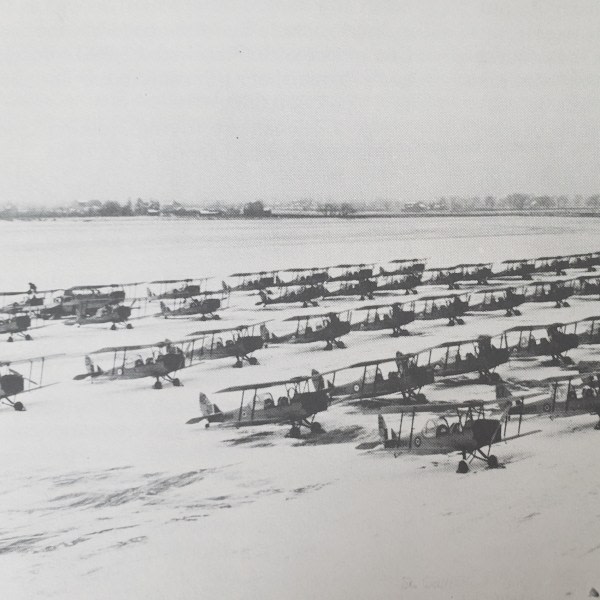
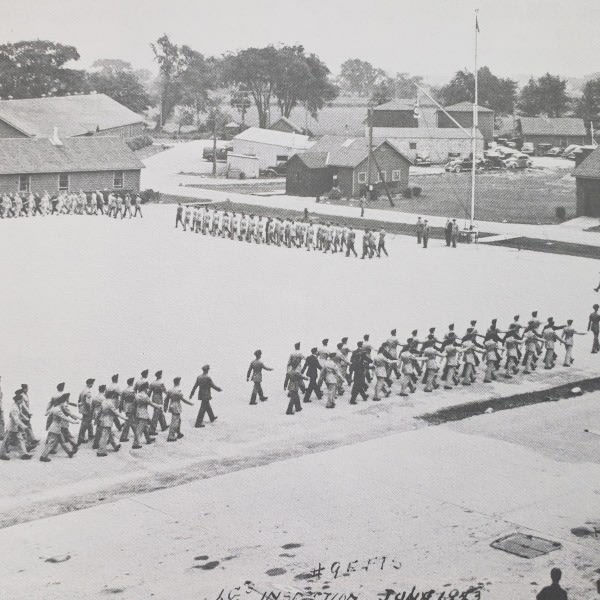
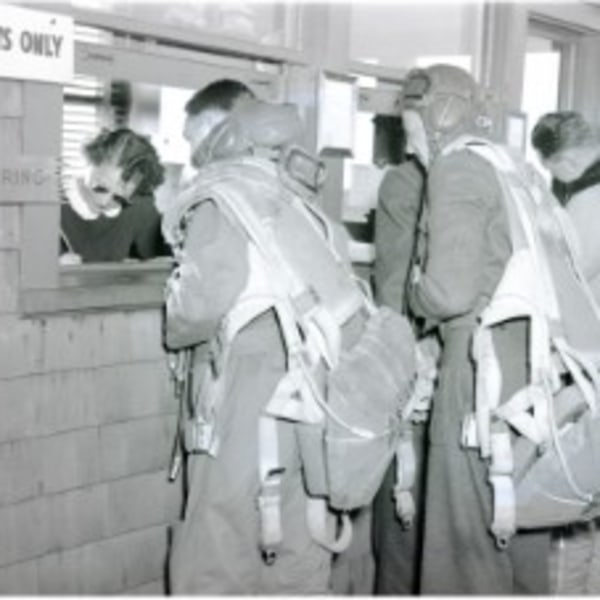
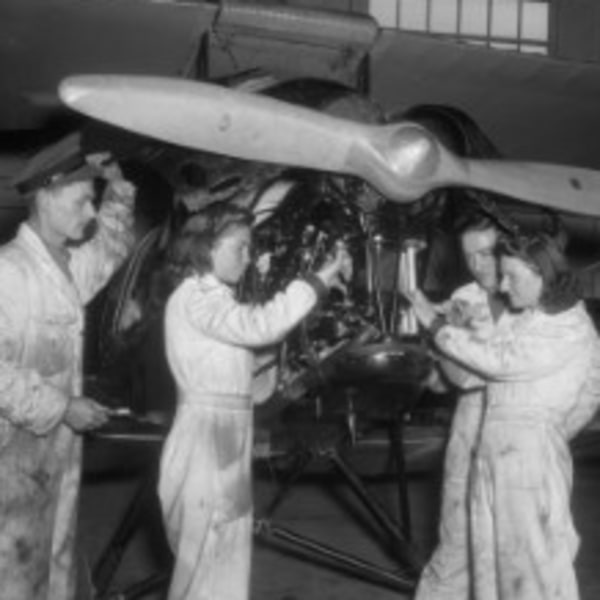
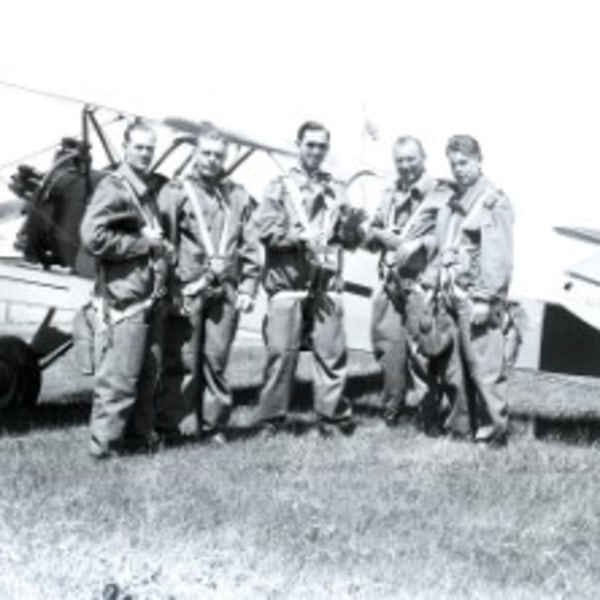
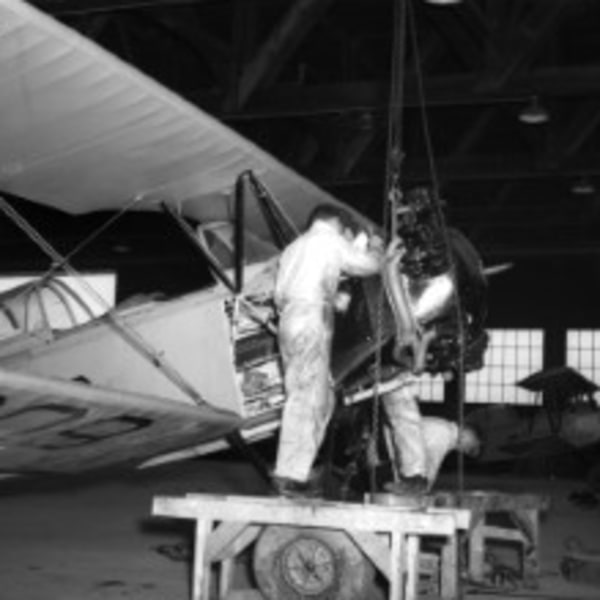
During the Second World War, Niagara District Airport becomes home to the No. 9 Elementary Flight Training School, training pilots for the Allied war effort, graduating 1,848 of 2,468 student pilots.
-
Niagara District Airport hosts the No. 4 Wireless Training Unit of the Royal Canadian Air Force, reinforcing its role in Canada’s military aviation history.
-
Post-War Years
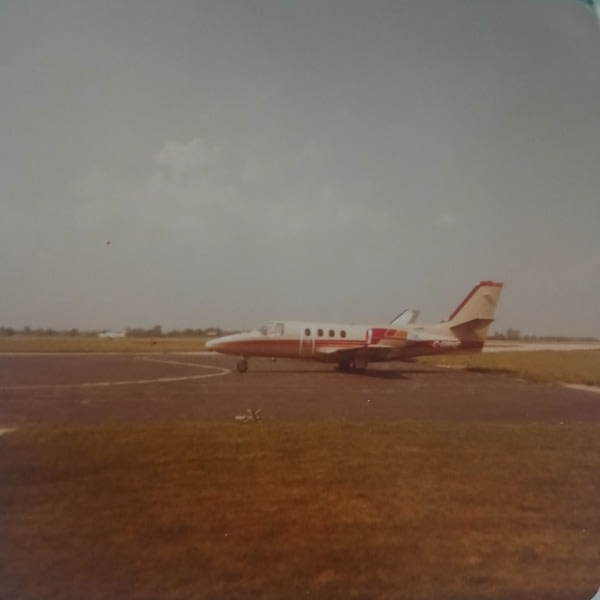
Niagara District Airport transitions back to civilian aviation, supporting flight training, private aviation, and regional air activity.
-
1980s and 1990s
Infrastructure improvements and long-term aviation partnerships strengthen Niagara District Airport's position as a regional hub and flight training facility, and establish the airport’s growing role in supporting Niagara’s tourism industry.
-
Significant airside and groundside improvements made through Canada’s Infrastructure Stimulus Fund, including building a new terminal and taxiway, and expanding the main apron.
-
The Niagara District Airport Commission approves a new 20-year Master Plan, the first master plan since 1992, outlining the path forward for growth.
-
Today
With approximately 40,000 aircraft movements annually, the airport operates year-round, supporting flight training, helicopter air tours, business and general aviation, and regional access.
The St. Catharines Flying Club
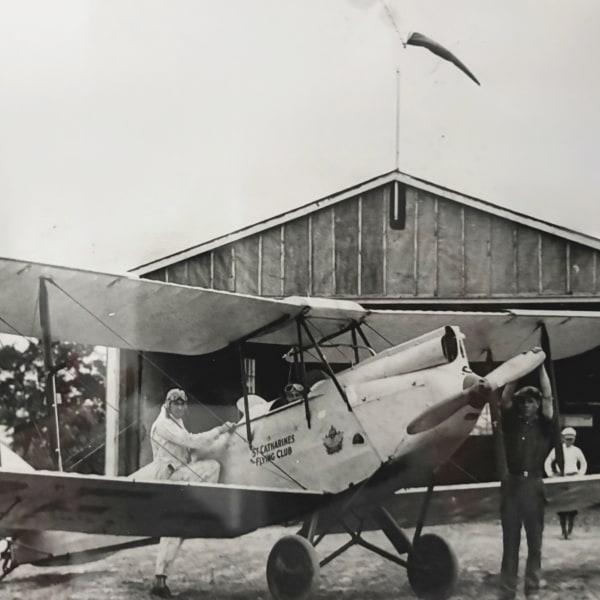
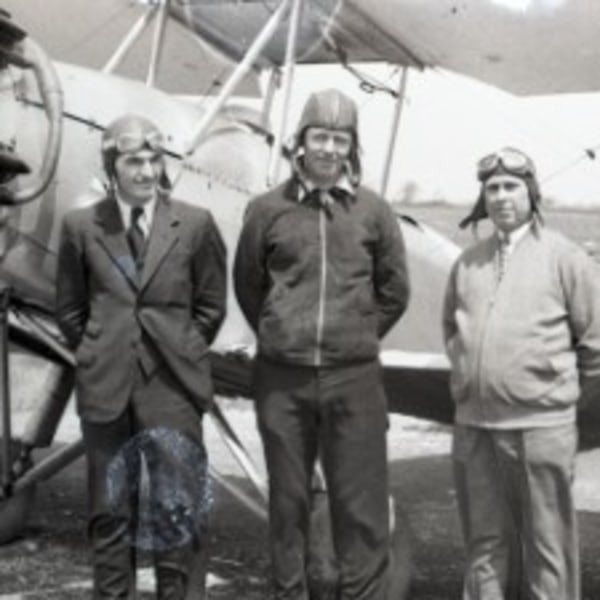
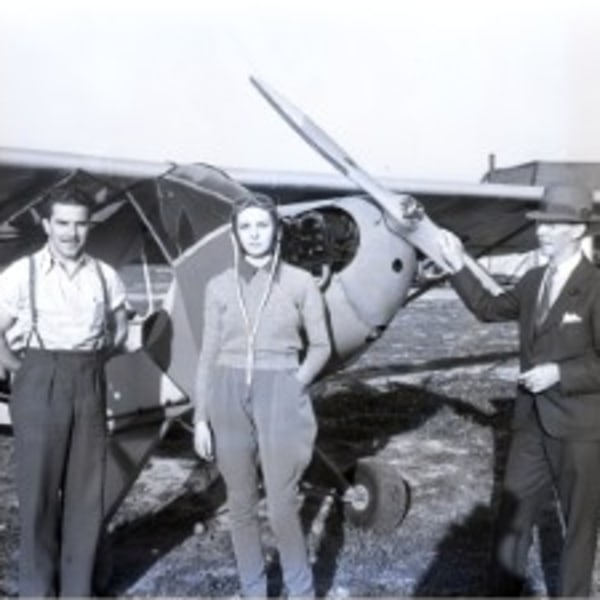
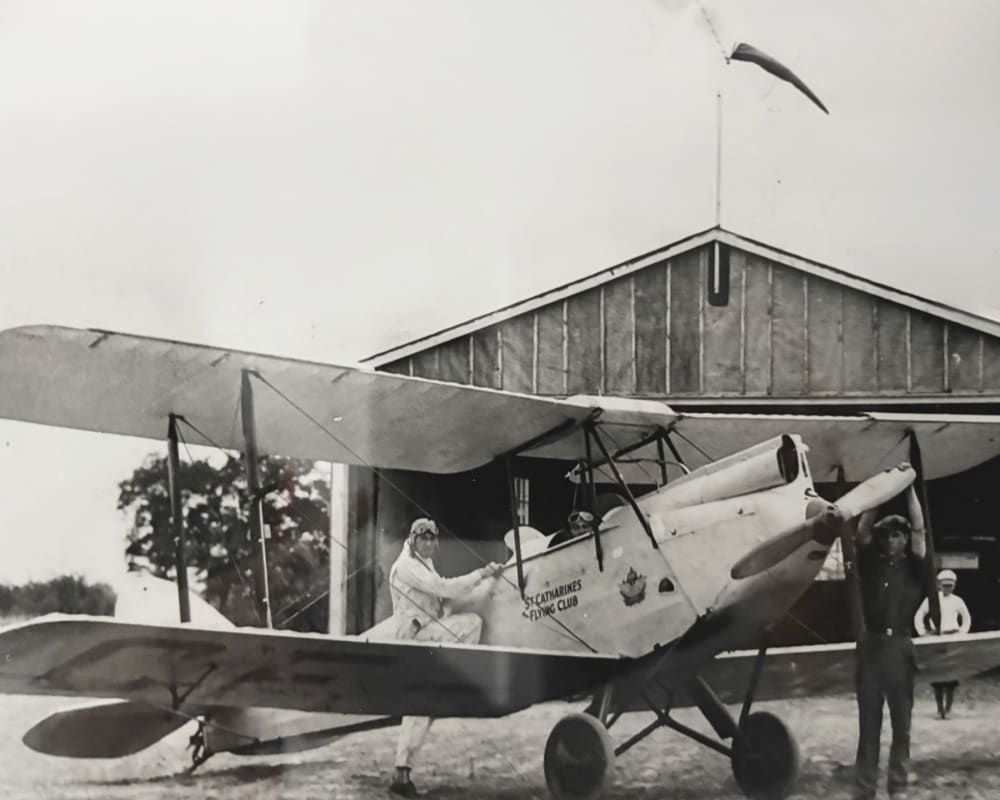
An integral part of the airport's story is the St. Catharines Flying Club, one of Canada’s oldest flight schools and a long-standing presence on the airfield.
For generations, the St. Catharines Flying Club has trained pilots, supported aviation education, and helped shape the airport's identity as a place where aviation careers begin.
Its legacy is woven into the history of Niagara District Airport and the broader Canadian aviation community.
Serving Niagara for Generations to Come
While our history is something to be proud of, Niagara District Airport is firmly focused on the future. With a Master Plan guiding redevelopment and long-term growth, the airport is preparing for its next chapter.